Closed-Cell Spray Foam Insulation in Odessa, TX
Elite Odessa Spray Foam offers professional spray foam insulation services for homeowners and commercial property owners in Odessa, Texas, helping address heat transfer and unwanted air leakage. Closed-cell spray foam insulation uses a dense polyurethane foam, also known as spray polyurethane foam, to provide substantial insulating value in a relatively small installation space. It can be suitable for walls, attics, roof assemblies, and metal buildings when the building conditions allow. Professional installation involves assessing the property, preparing surfaces, selecting the appropriate application depth, and following manufacturer specifications and applicable building codes. Recommendations account for West Texas heat, existing insulation, moisture conditions, and energy efficiency goals.
Get Your Free Estimate
We will get back to you as soon as possible.
Please try again later.
Built around your property
Professional Closed-Cell Spray Foam Insulation for Odessa Properties
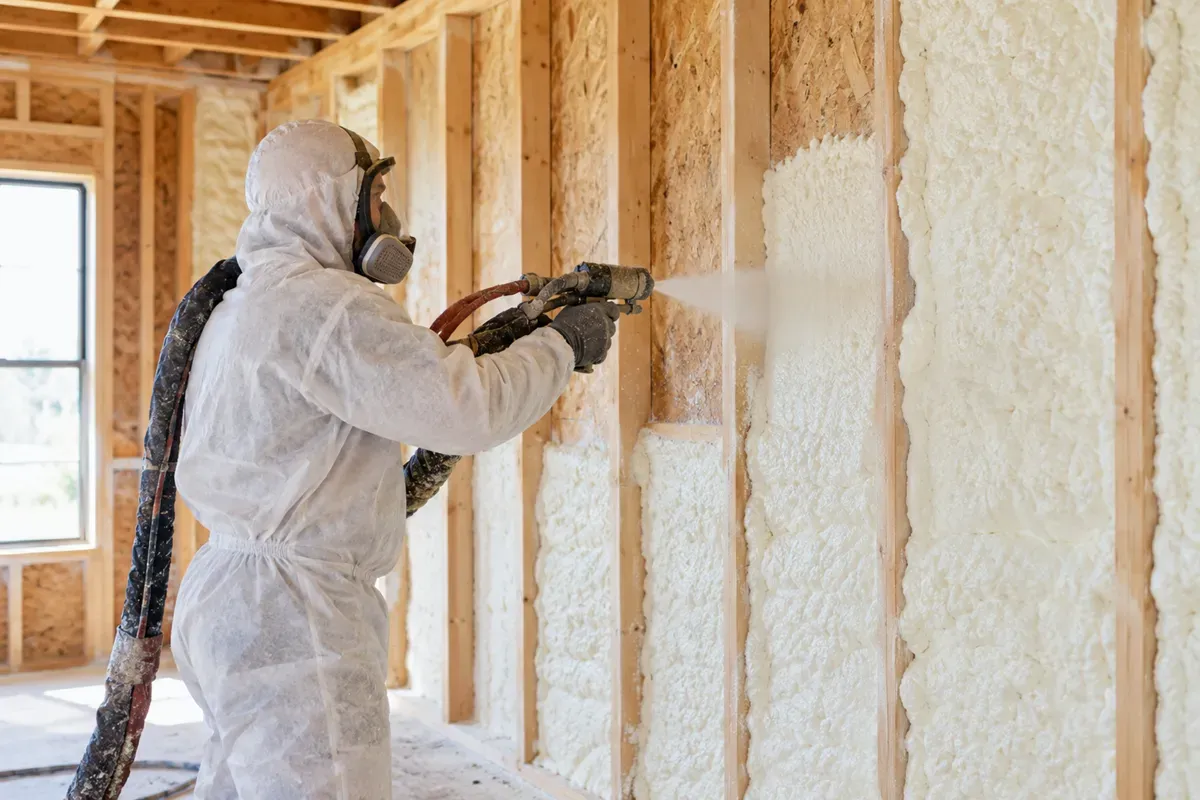
Odessa's hot summers and seasonal temperature changes can place significant demands on residential and commercial insulation systems. Closed-cell foam insulation provides resistance to heat flow while helping limit air infiltration when installed correctly. In suitable building assemblies, its dense structure can support more consistent indoor temperatures and reduce heating and cooling demands. Actual energy costs depend on the building's design, existing insulation, HVAC system, and air leakage.
Properties across Odessa have different requirements depending on their construction and intended use. This material can suit selected attic assemblies, wall cavities, rooflines, crawl spaces, and metal buildings, including pole barns, when its insulating and moisture-resistant properties meet the project's needs. It can also help control vapor movement in compatible assemblies, but insulation alone cannot eliminate every moisture problem. Proper drainage, ventilation where required, and moisture management remain important, particularly in areas exposed to damp or humid conditions.
A professional assessment helps determine whether this material suits a particular property. The evaluation should consider the substrate, existing insulation, potential air leaks, cracks, and intended building assembly. A qualified insulation contractor should inspect accessible areas, assess surface conditions, and follow manufacturer specifications, preparation requirements, and safety procedures. This process helps property owners choose suitable insulation solutions based on the building's condition and long-term performance needs.
More insulation services
Explore Other Insulation Solutions
Need insulation for another part of your property? Explore our related services below.
Know the signs
When to Consider Closed-Cell Spray Foam Insulation
This insulation may be worth considering when a property needs substantial resistance to heat flow within a limited installation space or better control of unwanted air movement. Homeowners in Odessa may explore it when addressing hot attic spaces, temperature differences between rooms, or heat transfer through exterior walls and roof assemblies. Properly sealing gaps may also help limit outdoor dust and some allergens entering the living space. The appropriate solution depends on the source of the problem and the building's insulation needs.
For new construction and existing properties, closed-cell foam can be installed in suitable cavities and assemblies after surfaces and surrounding conditions have been evaluated. Its higher R-value per inch can be useful where space is limited, while its dense structure can add rigidity to certain assemblies when properly designed. When correctly applied and protected, the material can provide durable insulation, but it does not replace structural components or an appropriate building design. The performance of insulation installed in a property also depends on application quality and the surrounding building assembly.
Commercial property owners may also consider this option for selected roof, wall, or metal-building applications. Before choosing among the types of insulation, evaluate the building's use, moisture exposure, ventilation requirements, and applicable building codes. Depending on the project, fiberglass insulation, cellulose, rigid foam, or batt insulation may be alternatives. Fiberglass or open cell foam may better suit some applications, so comparing these materials helps determine which system meets the property's requirements.
Built around your property
Insulation choices tailored to the structure, conditions, and goals.
Professional insulation you can trust
Our Closed-Cell Spray Foam Installation Process
Insulation performance depends on product selection, surface preparation, working conditions, and application technique.
Step one
Property Assessment
Professional installation starts with an assessment of the property and the areas requiring insulation. The evaluation includes reviewing accessible surfaces, taking measurements, identifying gaps, and considering existing materials and moisture concerns. Installers may also check around duct penetrations and other openings where air leakage can occur. This information helps establish the scope of work and determine whether further inspection or preparation is needed before application. Surface preparation is an important part of the process. Substrates should be checked for cleanliness, dryness, compatibility, and suitability for the selected formulation. Existing materials or contaminants may need attention before spraying begins.
Step two
Safe Application and Installation Process
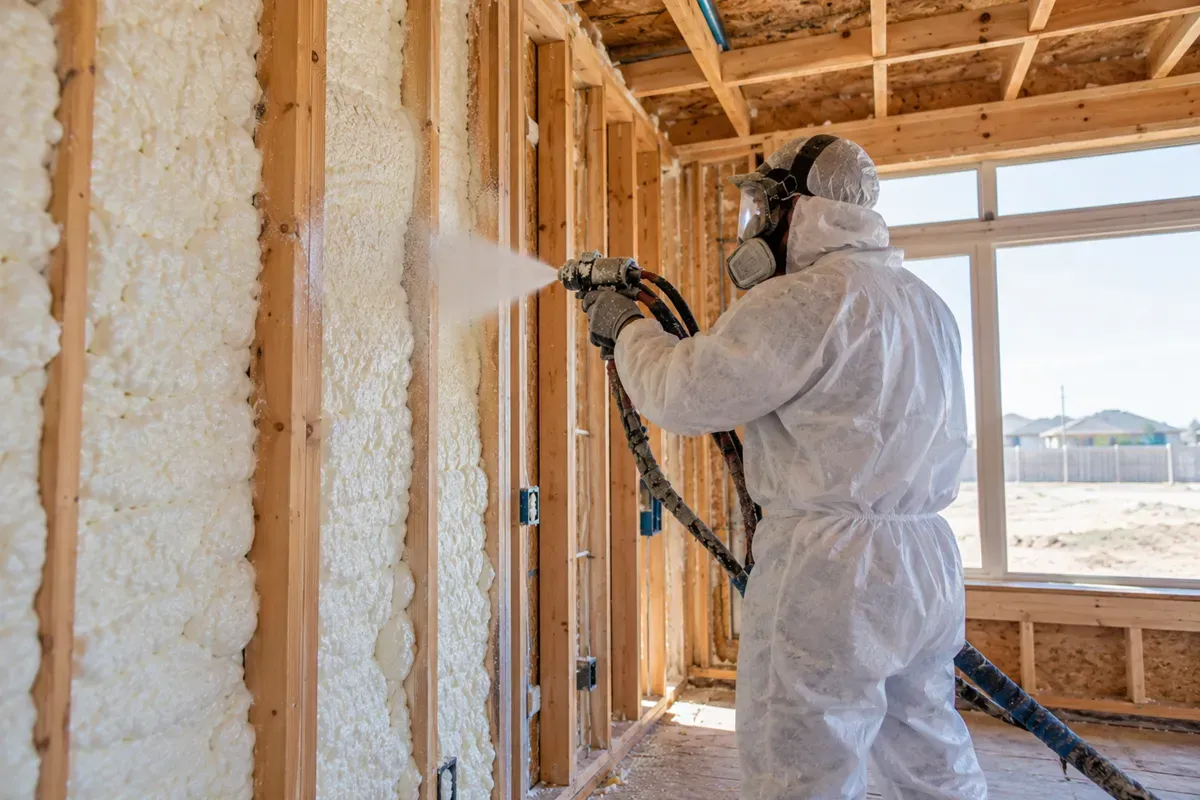
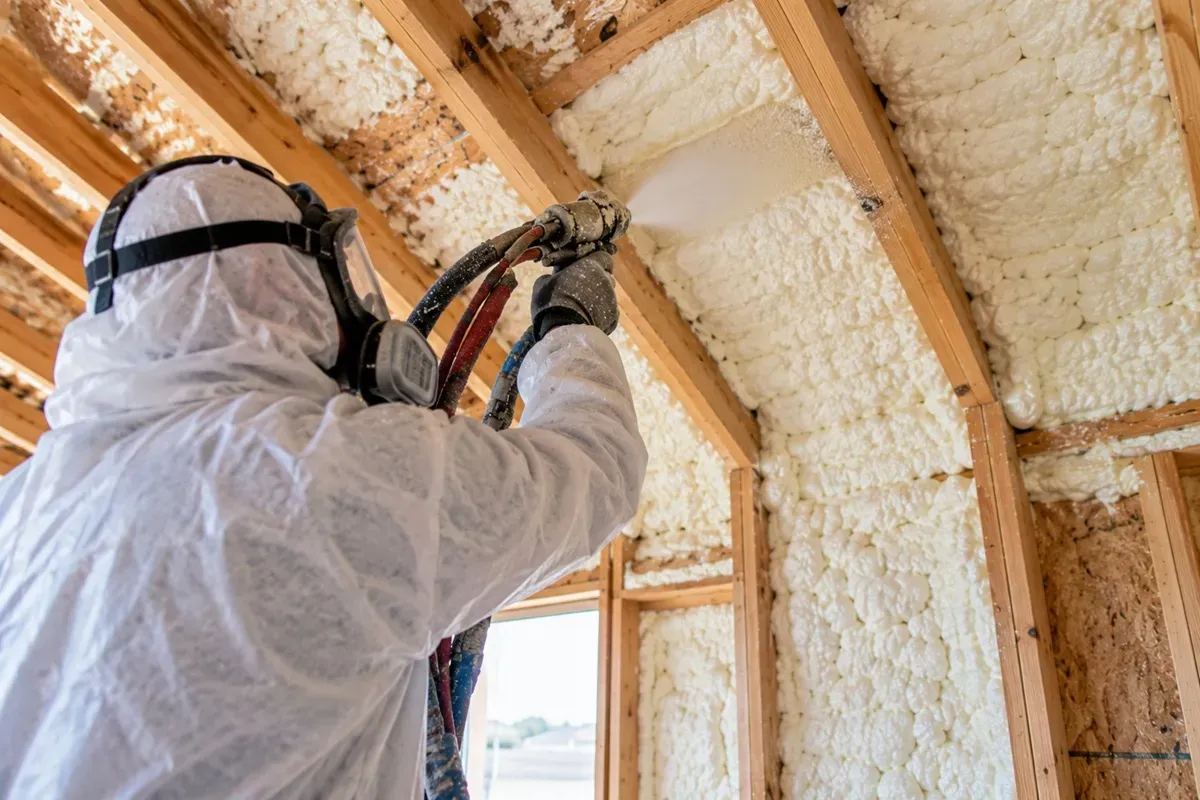
Trained installers should follow the manufacturer's application instructions and use suitable protective equipment, ventilation procedures, and job-site precautions to reduce workers' and occupants' exposure to spray chemicals and curing vapors that may cause respiratory irritation. The material is generally applied using a commonly used professional two-component spray system. During application, the installer controls foam placement and thickness according to product specifications and the building assembly. The foam begins to expand after application, so temperature, substrate conditions, mixing, and technique can affect how it cures and performs. Required ventilation and re-entry precautions should follow the manufacturer's guidance.
Step three
Post-Installation Inspection and Documentation
After installation, the treated areas should be reviewed for coverage, visible defects, and consistency with the agreed project scope. The installer should confirm that the material has been applied as specified and can air seal suitable gaps and penetrations where intended. Applicable code requirements, thermal barriers, ignition barriers, and other fire protection measures must also be considered. Project documentation helps property owners understand where the material was applied and which products were used.
Clear project expectations
Closed-Cell Spray Foam Insulation Cost Factors
Get a project-specific estimate
Discuss the property, the areas that need attention, and your insulation goals with Elite Odessa Spray Foam.
What Factors Affect Spray Foam Insulation Costs in Odessa, TX?
The cost of this insulation depends on the area, specified thickness, material requirements, surface conditions, and installation complexity. Pricing may also vary with accessibility, preparation, removal of existing materials, and the need to address air leakage or moisture problems before application. A property-specific estimate is more useful than relying on a general price per board foot.
During an assessment, the installer evaluates the areas to be treated and estimates the amount of foam needed. Larger projects generally need more material, while high or restricted spaces may require additional setup and labor. Projects involving metal buildings can also vary based on roof and wall configuration, surface condition, and building assembly details.
Application depth and product specifications also affect project costs. Closed-cell foam typically offers greater resistance to heat flow per inch than open-cell foam, but the best option depends on energy performance goals, moisture conditions, and construction details. Improved insulation and air-sealing may help lower energy bills, although actual savings vary by property and are not guaranteed. A clear estimate helps property owners compare materials, project scope, and installation requirements before deciding which option best suits their foam needs.
Professional insulation you can trust
Why Choose Our Closed-Cell Insulation Specialists?
Selecting an installer involves more than comparing prices. Material handling, substrate preparation, application thickness, and job-site safety all affect installation quality. A careful installation process includes evaluating the building, reviewing product specifications, and identifying conditions that could affect performance before work begins. When providing insulation, installers should also consider the property's ventilation, moisture control, and applicable safety requirements.
This product commonly provides an R-value of approximately 6 to 7 per inch, depending on the formulation. Our approach emphasizes selecting materials suited to the intended application and following manufacturer guidance and applicable building requirements. Careful planning also helps identify where the foam can create an effective air barrier, seal suitable cracks, and reduce uncontrolled air movement. These measures may help resist outdoor dust entering through gaps, but they do not replace appropriate pest control or ventilation practices.
Existing homes require particular attention because construction methods, previous repairs, and older materials vary. An assessment helps determine whether this option is appropriate and whether moisture or ventilation concerns need to be addressed first. For Odessa homeowners and commercial property owners, clear communication about installation requirements, limitations, and expected performance supports informed decisions.
Project gallery
Recent Closed-Cell Spray Foam Projects in Odessa, TX
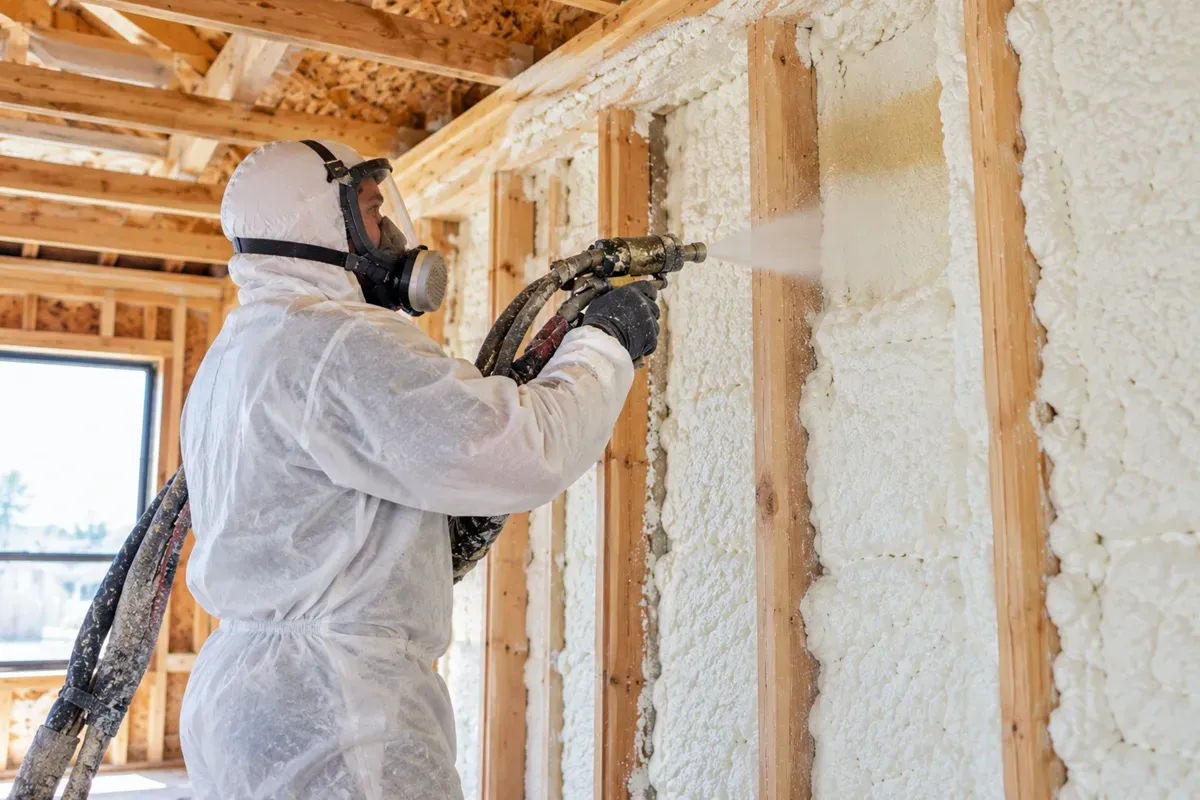
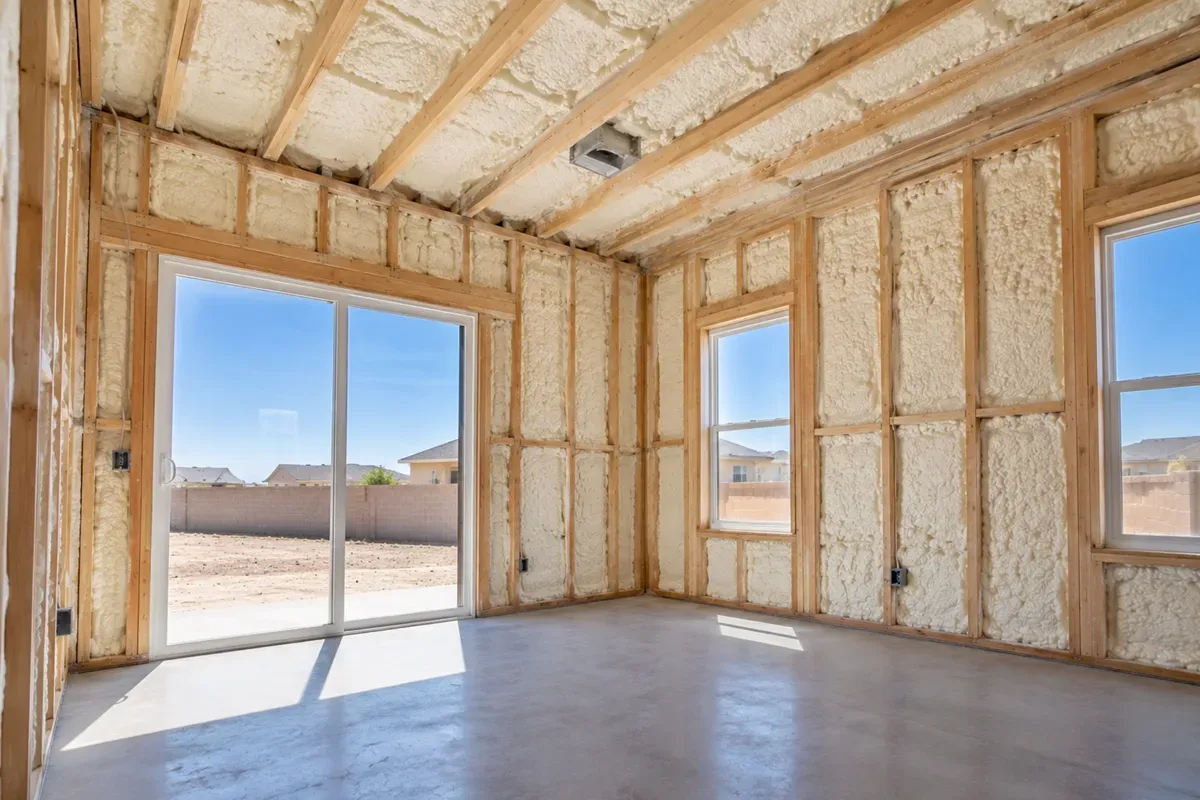
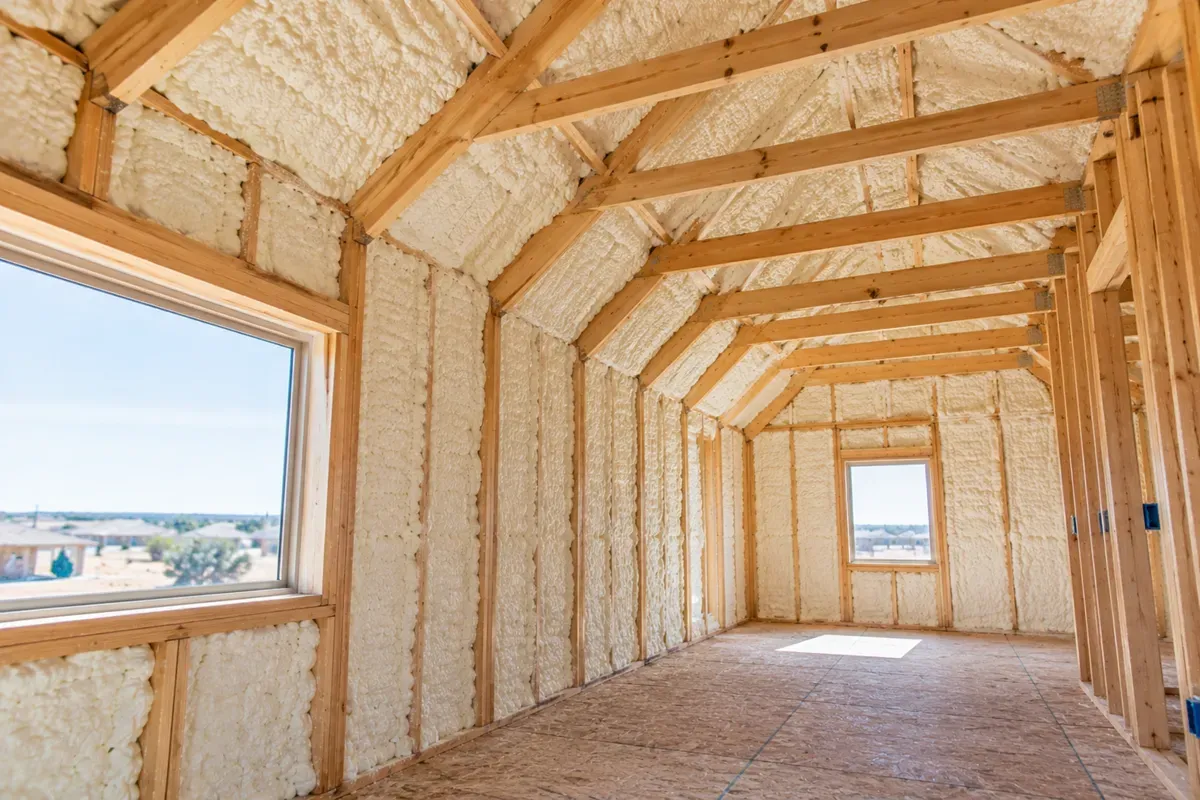
This material can be used in suitable attics, rooflines, wall cavities, crawl spaces, and metal buildings throughout Odessa, TX. Each project requires an assessment of the property's construction, surface conditions, and insulation needs to determine the appropriate application method and thickness. For existing homes and commercial buildings, proper preparation and moisture management are important before installation. Applying the product according to its specifications and applicable building requirements can help improve energy performance and reduce unwanted air movement. Correctly treating suitable gaps and penetrations can also help control air leaks and limit unwanted airflow between outdoor areas and the living space.
Helpful Answers
Common Questions About Closed-Cell Spray Foam Insulation in Odessa
How much does closed-cell spray foam insulation cost in Odessa, TX?
The cost depends on the area being insulated, application thickness, surface preparation, and accessibility. Existing material removal or moisture-related repairs may add to the project scope. A professional assessment helps determine material requirements and provide an accurate estimate. When comparing quotes, review the proposed coverage, product specifications, preparation work, and any required protective barriers.
What is the R-value of closed-cell spray foam insulation?
The material typically provides an R-value of approximately 6 to 7 per inch, depending on the product. This measurement indicates resistance to heat flow, but overall performance also depends on installation quality, air leakage, and thermal bridging. A trained installer can review product specifications and determine the appropriate application depth for your property's insulation requirements.
Where is closed-cell spray foam insulation most effective?
It can suit roof assemblies, exterior walls, attics, and certain metal-building applications. Its relatively high resistance to heat flow per inch makes it useful where installation space is limited. Before work begins, a professional should assess the substrate, ventilation, moisture conditions, and building design to confirm that the material is appropriate for the intended application.
How thick should closed-cell spray foam insulation be?
The required application depth depends on the product's insulating properties, building assembly, and applicable energy codes. Rather than using the same measurement everywhere, installers should evaluate the property's construction and performance requirements. Product specifications and local code requirements help determine the appropriate depth for walls, roofs, and other insulated areas.
Is closed-cell spray foam suitable for metal building roofs in Odessa?
It can suit compatible metal roof assemblies, particularly where heat transfer and condensation are concerns during Odessa's hot summers. However, existing leaks, corrosion, and surface conditions should be addressed before application. A professional assessment should also consider ventilation, drainage, and required fire-protection measures to help ensure the system is appropriate for the building.
Elite Odessa Spray Foam
Request a Free Closed-Cell Spray Foam Insulation Estimate
The cost depends on the property's size, existing materials, surface conditions, and application requirements. An assessment helps identify heat transfer and air leakage issues and determine whether this insulation option is suitable for the building. For properties in Odessa, TX, the evaluation may include attics, walls, and roof assemblies. Recommendations consider application depth, product specifications, moisture conditions, and applicable building codes to provide an accurate estimate. Property owners may also ask about available environmental product information, including global warming potential (GWP), when comparing insulation materials. Contact Elite Odessa Spray Foam to discuss your property's insulation needs and request an estimate. Ask about installation areas, preparation requirements, material specifications, and any necessary protective measures. Review the frequently asked questions above for additional information about applications, costs, and installation requirements.
Service Areas: Proudly serving Odessa,
Midland,
West Odessa,
Gardendale, and surrounding areas.