Metal Building Insulation in Odessa, TX
Elite Odessa Spray Foam provides insulation solutions for property owners in Odessa, Texas, seeking better temperature control, reduced air leakage, and improved indoor comfort. West Texas summers can create significant heat buildup inside steel structures, while seasonal weather conditions may contribute to condensation on metal panels. Our approach begins with evaluating the building's construction, existing materials, ventilation, and moisture conditions before identifying suitable insulation methods. Properly installed spray foam insulation can help manage heat transfer, protect building components, and support energy efficiency throughout the year. An experienced insulation contractor can also assess how the building's design affects overall performance.
Get Your Free Estimate
We will get back to you as soon as possible.
Please try again later.
Built around your property
Insulation Solutions for Metal Buildings in Odessa
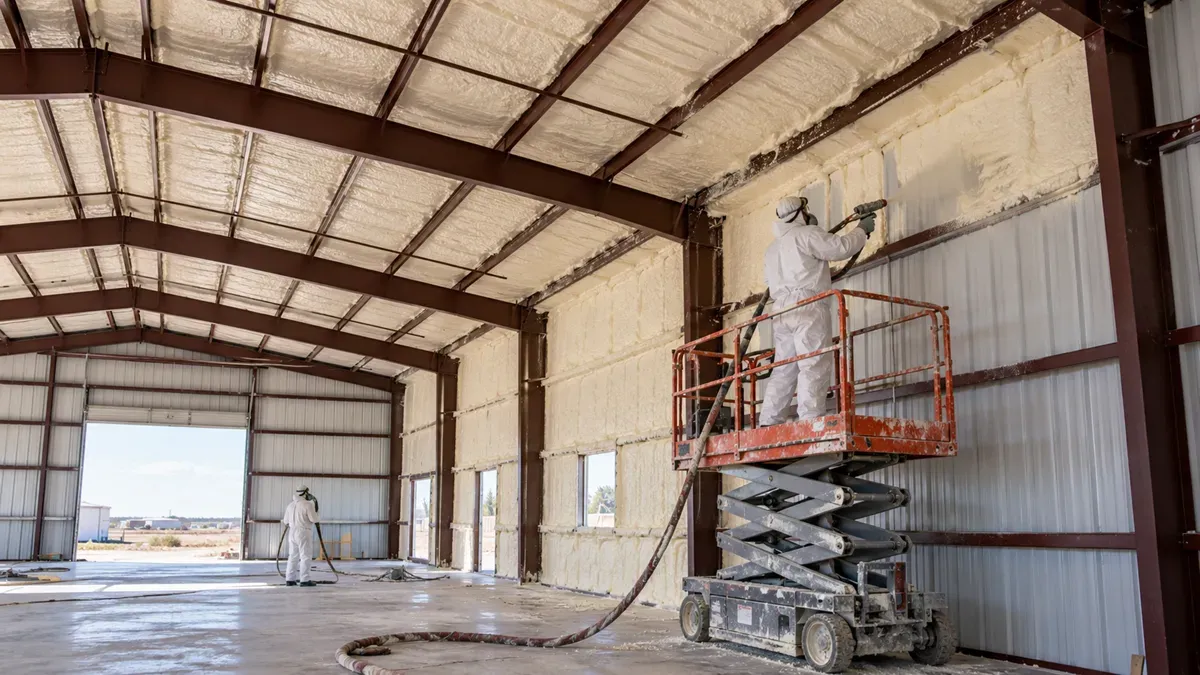
Odessa's intense summer heat and occasional cold snaps make effective insulation an important consideration for metal structures. Steel panels, beams, and framing can transfer heat quickly, contributing to uncomfortable indoor conditions and increased heating and cooling demand. Elite Odessa Spray Foam assesses each property's construction and intended use before recommending suitable insulation options. Closed-cell spray foam is one potential solution because it provides strong thermal resistance and can help limit air movement and moisture migration when correctly specified and installed.
Other options include fiberglass insulation, fiberglass blanket systems, and batt insulation designed for particular roof and wall assemblies. Vinyl-faced or unfaced fiberglass blankets may suit certain applications, provided the facing, support system, and installation follow the manufacturer's requirements. Depending on the product, the facing may need to face the inside of the building according to manufacturer instructions. Expanding foam can fill suitable cavities and close a gap around structural members, including a purlin or roof purlins, to create a seamless barrier where properly applied. Our trained service professionals consider these details when planning projects for workshops, storage structures, and commercial buildings throughout Odessa.
A thorough assessment also considers the condition of existing materials and whether air sealing or moisture-control improvements are necessary. Condensation can develop when warm, moist air contacts cooler metal panels, potentially contributing to corrosion or other water-related damage. Suitable insulation, an appropriate vapor barrier where required, and properly planned ventilation can help manage these risks. The objective is to select a high-performance, energy-efficient system that supports building performance and durability while accounting for the structure's specific requirements.
More insulation services
Explore Other Insulation Solutions
Need insulation for another part of your property? Explore our related services below.
Know the signs
Common Temperature Control Problems in Metal Buildings
Steel conducts heat readily, so buildings with inadequately protected roofs and walls can experience pronounced temperature changes. Structural framing and poorly insulated connections may create thermal bridges that allow heat to bypass parts of the assembly. During hot summer days, this can contribute to excessive indoor heat, uncomfortable working conditions, and greater demand on air conditioning equipment. Effective coverage and air sealing help address these issues by slowing heat transfer and limiting unwanted airflow through openings around panels and fasteners.
Condensation is another concern for steel structures. When humid air reaches a sufficiently cool metal panel, water can accumulate and potentially contribute to rust, corrosion, or mold growth on nearby materials. High humidity and limited air circulation can make moisture control more challenging. A professional evaluation can identify possible sources of water buildup and determine whether additional coverage, sealing, ventilation adjustments, or other corrective measures are appropriate. The proposed system should also account for the intended interior use and any requirements affecting indoor air quality.
Temperature fluctuations and air leaks can increase HVAC workload and operating expenses. Addressing coverage gaps, heat transfer through framing, and moisture conditions together provides a more complete approach than adding material without assessing the building. The right combination of suitable insulation and air sealing can improve temperature regulation, reduce unwanted heat transfer, and support comfortable conditions for occupants and stored materials. Depending on the structure, suitable products may also help reduce sound transmission, although they should not automatically be treated as a complete sound barrier. Actual improvements depend on the building's existing condition and how the space is used.
Built around your property
Insulation choices tailored to the structure, conditions, and goals.
Professional insulation you can trust
Our Metal Building Insulation Installation Process
Insulation performance depends on product selection, surface preparation, working conditions, and application technique.
Step one
Professional Assessment
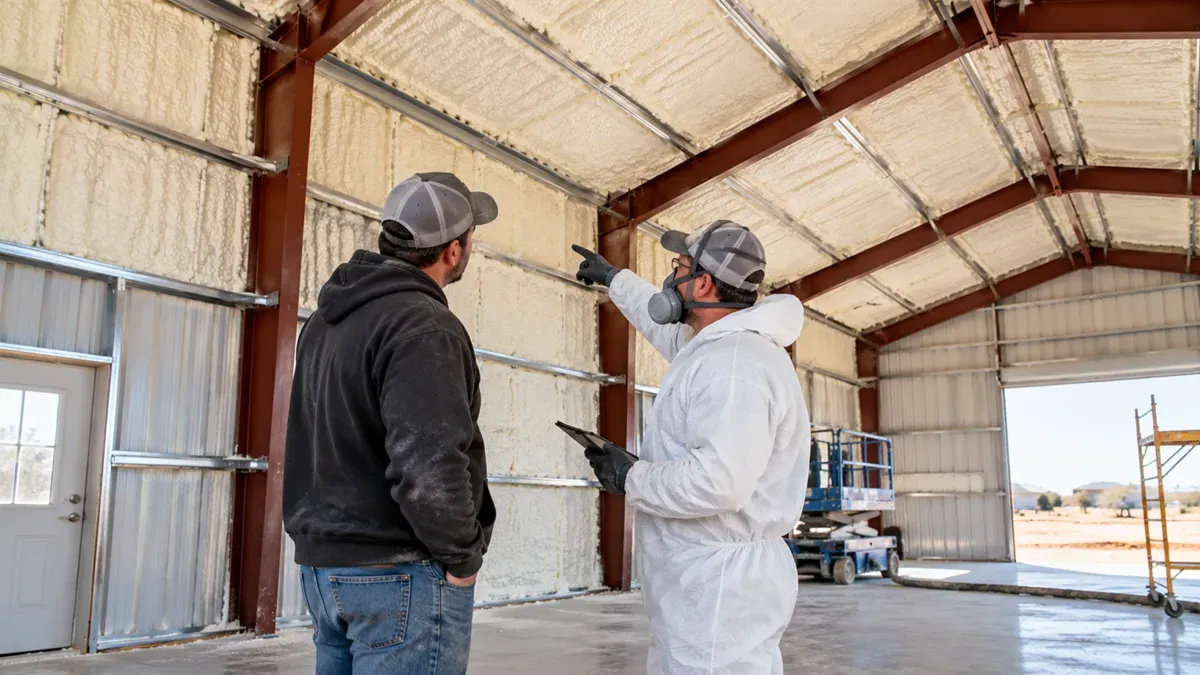
Each project begins with a professional assessment. Technicians review the building's size, metal roof and wall construction, existing materials, ventilation, visible openings, and signs of moisture. This information helps determine whether the structure needs a new insulation system, replacement of damaged material, targeted sealing, or a combination of improvements. Recommendations account for the property's condition and intended use, including whether the roof and wall assembly contains framing cavities that require a particular application method.
Step two
Installation Preparation and Application
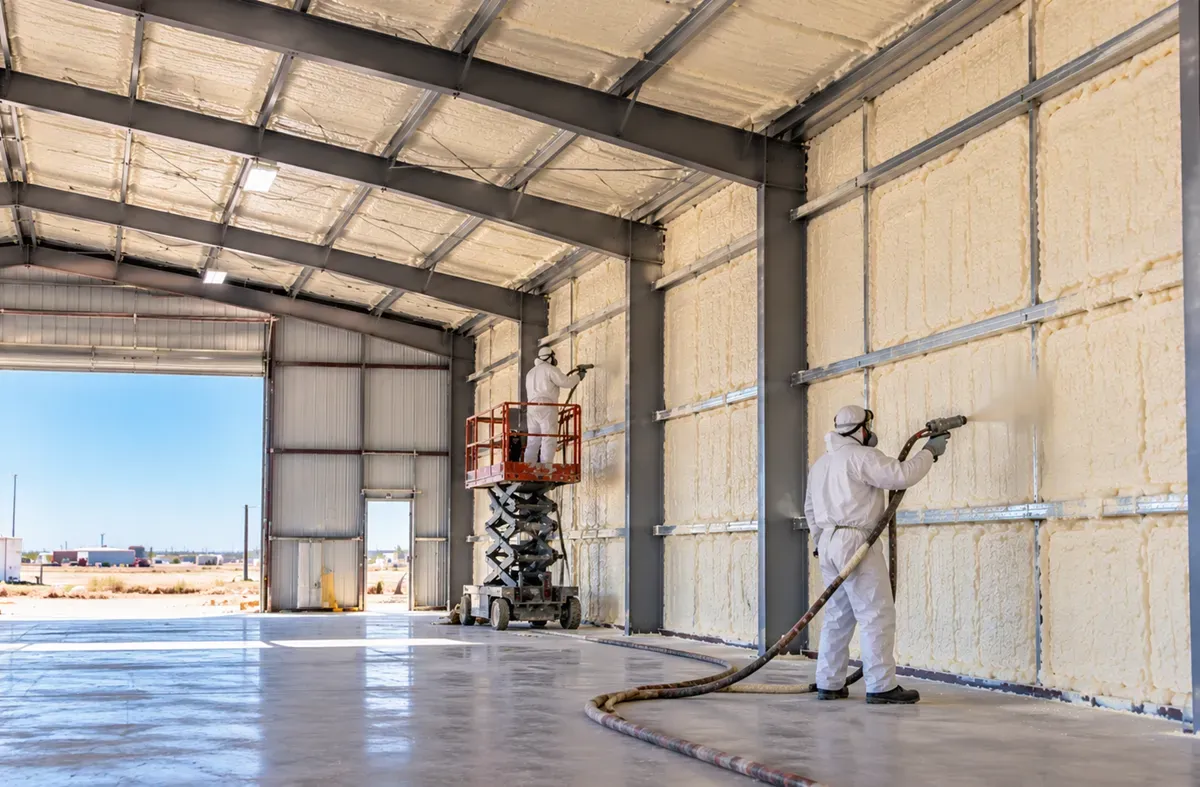
Once the proposed scope is agreed upon, trained service professionals prepare the application areas and follow the selected product's installation instructions and relevant safety practices. Work may include preparing the metal surface, addressing suitable openings, and completing the foam application on designated roof or wall sections. During installation, technicians consider the required depth and coverage around structural members, beams, purlins, studs, and fasteners where applicable. They also account for electrical components, ceiling areas, ventilation openings, and other locations requiring appropriate clearances. Project timing varies with building size, accessibility, substrate condition, and preparation requirements.
Step three
Final Inspection and Quality Review
After installation, the completed areas are reviewed for coverage, visible openings, and consistency with the agreed scope. Technicians check accessible details to identify deficiencies that may affect performance and verify that required openings and clearances have been maintained. Documentation can identify the materials used and their stated performance properties where applicable. These procedures support a reliable installation and help confirm that the system suits the building's design and performance requirements. Where an airtight or seamless barrier is part of the specified assembly, the finished application should be reviewed for incomplete coverage. The final inspection also helps confirm that the intended air seal has been established in accessible areas.
Clear project expectations
Metal Building Insulation Cost Factors
Get a project-specific estimate
Discuss the property, the areas that need attention, and your insulation goals with Elite Odessa Spray Foam.
What Factors Affect Metal Building Insulation Costs in Odessa, TX?
Project costs depend on the building's size, selected material, required thickness, panel condition, and installation complexity. Projects involving open roof framing or straightforward wall sections may require different preparation and labor from structures with difficult access, existing coverage, or extensive penetrations. Sealing air leaks, removing damaged materials, and additional moisture-control work can also influence the final estimate. A site-specific assessment helps establish the scope, suitable insulation methods, and materials required for the property.
Material selection is a major cost consideration. Fiberglass insulation may suit some steel building assemblies, while closed-cell spray foam can provide thermal resistance and help limit air movement in applications where its properties are appropriate. The required thickness and target R-value affect material quantities and installation costs. Existing panel conditions, roof configuration, and the need to address water buildup or dampness can also change the work involved. When comparing blanket insulation with foam, property owners should consider the support needed to prevent fiberglass from sagging and whether the existing framing can accommodate the chosen system.
Although DIY work may reduce some labor expenses, incorrect installation can leave openings, restrict necessary ventilation, or create clearance and moisture problems. A project-specific estimate from Elite Odessa Spray Foam outlines the proposed materials, preparation, application method, and expected costs before work begins. Comparing options by initial cost, intended performance, and maintenance considerations can help property owners make informed decisions. A suitable insulation system may support long-term comfort and energy savings, but actual results depend on the building's condition and energy use.
Professional insulation you can trust
Why Choose Our Metal Building Insulation Contractor?
Protecting a metal structure requires careful material selection and an understanding of how steel panels, framing, ventilation, and moisture interact. Elite Odessa Spray Foam evaluates these factors to identify practical solutions suited to the property's construction and the area's demanding summer climate. For workshops, storage buildings, and commercial spaces, the installation plan should reflect how the building is used, how it was constructed, and what level of temperature control is required. These considerations also help determine whether the project aligns with broader green building and energy-efficiency goals.
Our service process emphasizes detailed assessments, suitable products, and consistent installation practices. Trained service professionals follow manufacturer instructions and relevant safety procedures while paying attention to panel preparation, coverage, and required clearances. They consider insulation facings and whether a facing should be oriented toward the interior of the building according to the product's specifications. Potential roof leaks, unresolved water buildup, or other visible building issues are identified for further evaluation when they fall outside the project's scope. Addressing these conditions helps reduce the risk of covering an unresolved problem.
Recommendations are based on the property's actual condition rather than assumptions about energy use or expected savings. Appropriate insulation and sealing may reduce unwanted heat transfer and help manage heating and cooling demand, although results vary with building design, existing coverage, ventilation, occupancy, and HVAC performance. For metal building owners, the priority is selecting a suitable system that fits the structure and intended performance goals. Professional installation practices can support year-round comfort and energy efficiency without making unsupported promises about reducing high energy bills or eliminating all heat transfer.
Project gallery
Metal Building Insulation Projects in Odessa, TX
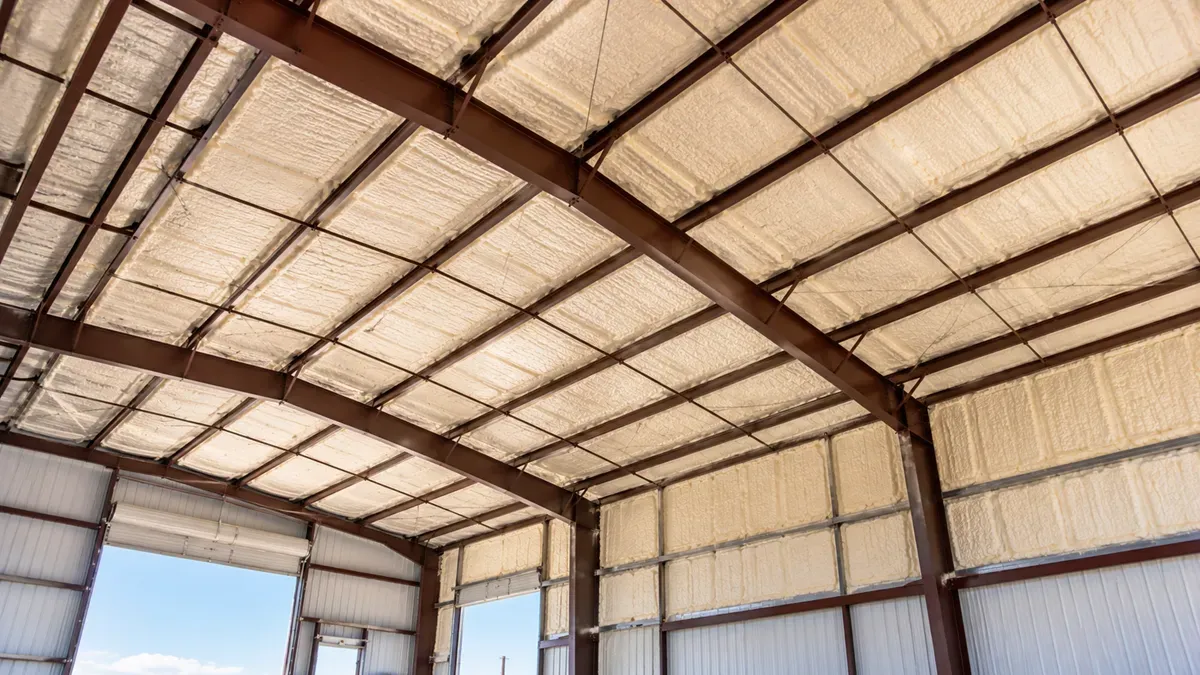
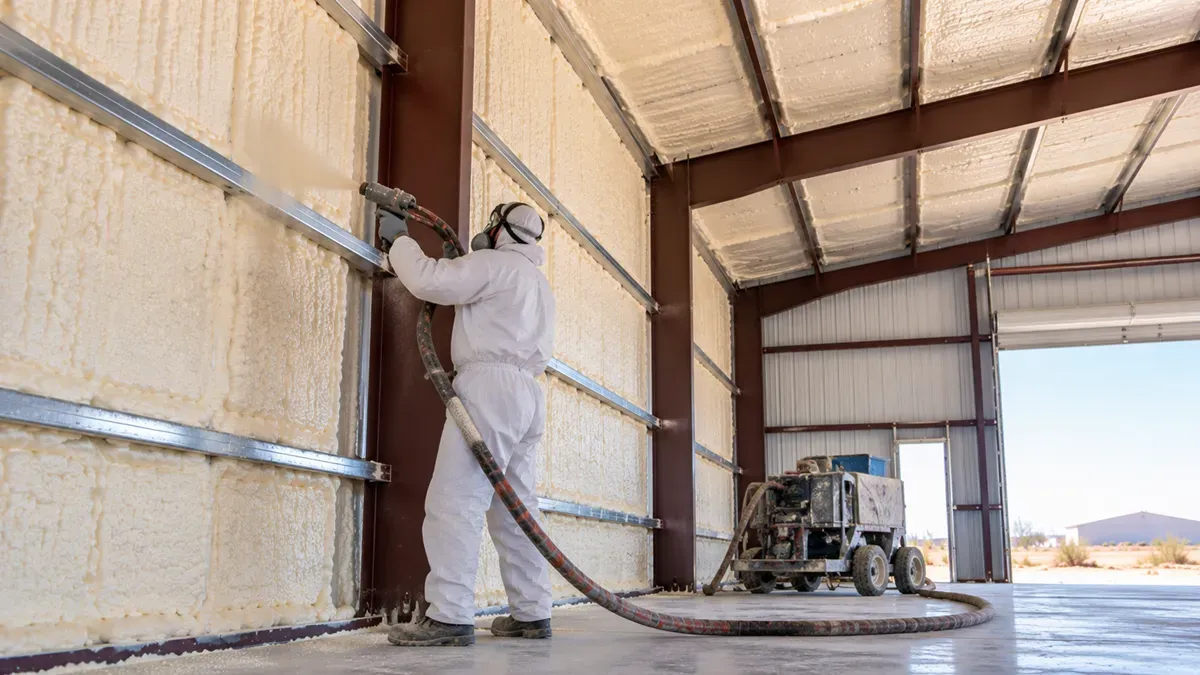
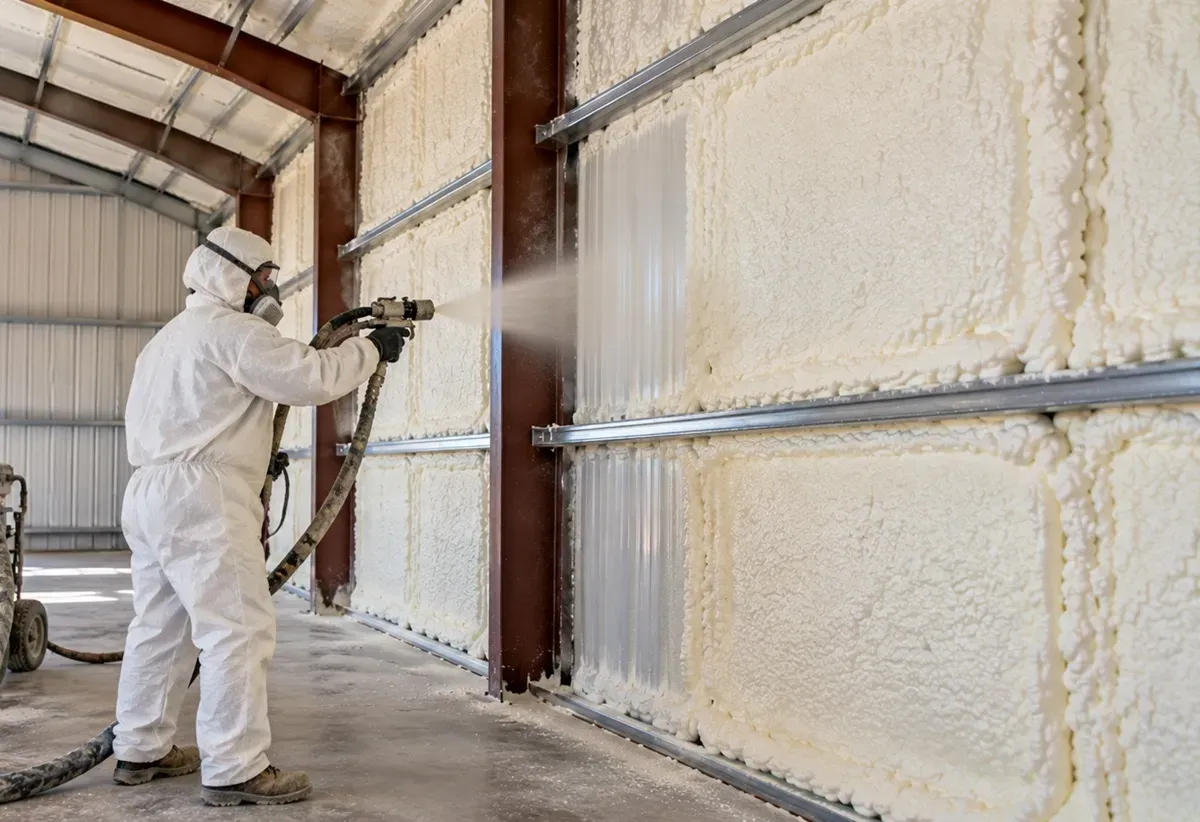
Projects in Odessa may involve workshops, storage buildings, agricultural structures, commercial spaces, and warehouse facilities, each with different temperature-control and moisture-management needs. The required approach depends on the building's dimensions, roof and wall materials, existing coverage, and intended use. Spray foam may be suitable for selected metal panels and connections where an effective air barrier and additional thermal resistance are needed. A site assessment helps determine whether this approach fits the structure's requirements or whether other products would be more appropriate for insulating your metal building. For buildings experiencing condensation on metal panels, technicians evaluate potential sources of dampness and the conditions that allow indoor air to reach cool areas. Properly installed foam may help limit air movement and reduce water buildup in suitable applications, but the broader assembly, ventilation, and humidity conditions must also be considered. Plans for commercial properties should account for occupancy, access, and building operation to support consistent indoor conditions and appropriate energy use. When insulating a metal building, the chosen system should reflect its construction and intended use rather than assuming one product suits every application.
Helpful Answers
Common Metal Building Insulation Questions in Odessa
What type of insulation works well for metal buildings in Odessa, TX?
Closed-cell spray foam can suit steel structures in Odessa because it provides thermal resistance and helps limit air leakage when properly installed. Fiberglass blanket systems or batt products may also work well in compatible assemblies. The right choice depends on roof and wall construction, ventilation, exposure to dampness, and intended use. A professional assessment helps determine the appropriate material and R-value for the building's requirements.
How much does it cost to insulate a metal shop?
The cost depends on the building's square footage, product type, required thickness, panel preparation, and installation complexity. Spray foam and fiberglass have different material and labor requirements, while damaged existing coverage or water-related issues may add to the scope of work. Elite Odessa Spray Foam can assess the structure and provide an estimate based on the proposed materials, installation requirements, and specific building conditions.
Can metal building insulation help manage Odessa's summer heat?
Yes. Intense summer temperatures in Odessa can cause metal roofs and walls to transfer substantial heat indoors. Suitable materials slow heat transfer, while closing openings helps reduce unwanted airflow through panel joints and connections. These improvements can support more consistent indoor temperatures and reduce cooling demand. Results depend on existing coverage, roof design, ventilation, and HVAC performance, so evaluating the entire building assembly is important.
Is spray foam suitable for metal building roofs and walls?
Spray foam can be applied to suitable metal roof and wall assemblies when the product and installation method match the structure's requirements. Closed-cell foam offers relatively high thermal resistance per inch and can help control air movement. Before application, trained technicians should evaluate panel condition, potential water-related issues, and ventilation requirements. Proper preparation and installation are important for achieving the intended performance and minimizing the risk of dampness-related problems.
How do I choose the right insulation for my metal building?
Start by evaluating the building's size, construction, existing materials, exposure to dampness, and intended use. Closed-cell spray foam may suit projects requiring both thermal resistance and reduced air leakage, while fiberglass blanket systems or other products may be appropriate for different assemblies. A professional assessment from Elite Odessa Spray Foam can identify coverage deficiencies and installation considerations, helping property owners select a practical solution for comfort, energy efficiency, and budget requirements.
Elite Odessa Spray Foam
Request a Free Metal Building Insulation Estimate
Elite Odessa Spray Foam assesses metal buildings in Odessa, TX, to identify insulation needs, unwanted airflow, and potential water-related concerns. Recommendations take into account building size, existing materials, roof and wall construction, and intended use. Closed-cell spray foam may be suitable for some projects, while other options may better fit different structures and performance goals. Contact Elite Odessa Spray Foam to discuss your building and request a project-specific estimate. A clear assessment can help you compare suitable materials, understand preparation and installation requirements, and plan improvements for better temperature control and building performance.
Service Areas: Proudly serving Odessa,
Midland,
West Odessa,
Gardendale, and surrounding areas.